A Complete Guide to Class 4 Shingles for Hail
Class 4 impact-resistant shingles are the standard choice for hail protection, and understanding them helps a Eagle Creek homeowner decide whether they fit. This guide covers why hail damages roofs, how class 4 shingles help, the protection they provide, the insurance angle, the cost and value in hail areas, the claims picture, who benefits, and the drawbacks. The recurring theme is that class 4 shingles meaningfully reduce hail damage, which is most valuable in hail-prone areas, where reduced damage, fewer claims, and potential insurance savings can justify the premium. Because cost depends on the specific product and your roof, a measured estimate is the only way to know your real number.
Hail Protection at a Glance
The table below summarizes how class 4 shingles address the main hail concerns. Treat it as a quick reference, since the protection is substantial but not absolute, and most valuable in hail-prone areas. The recurring theme is that class 4 shingles reduce hail damage and may earn an insurance discount, with quality installation essential to the protection.
| Hail Concern | How Class 4 Helps |
|---|---|
| Cracking and fracture | Flexible construction resists cracking |
| Granule loss | Better withstands impact, less granule loss |
| Hidden bruising | Reinforced mat resists bruising |
| Insurance cost | May earn a discount, varies by insurer |
| Repeat claims | Fewer hail claims over time |
The Claims Picture
The claims picture adds to the value of class 4 shingles in hail-prone areas. Because the shingles better resist hail, events that might damage a standard roof and prompt a claim may cause little or no damage to a class 4 roof, meaning fewer claims over time. For a Eagle Creek homeowner, this can mean less disruption from repairs and the claims process, and avoiding the potential downsides of frequent claims. The reduced damage is the basis for both the fewer claims and the insurance discount. Understanding the claims picture helps you see another benefit beyond direct protection. In areas with regular hail, a class 4 roof can reduce how often you deal with hail damage and claims, which, combined with the potential insurance discount, contributes to the overall value of class 4 shingles, protecting both your roof and the time and effort that the claims process involves over the years.
Cost and Value in Hail Areas
Cost and value go together in hail areas. Class 4 shingles typically cost more than standard shingles, with the exact cost depending on the specific product and your roof, so a measured estimate is the only way to know your real number. The value comes from reduced hail damage, fewer claims, and any insurance discount, which in hail-prone areas can offset the premium over time. For a Eagle Creek homeowner, weighing the cost against your hail risk and any insurance savings is the way to assess the value. Understanding cost and value together helps you judge whether class 4 shingles make sense. The premium is more justifiable the more frequently your area sees hail and where an insurance discount is available, so getting an accurate estimate and checking your insurer's policy lets you weigh the full picture and decide whether the protection is worth the cost for your situation.
Who Benefits and Drawbacks
Class 4 shingles benefit homeowners in hail-prone areas most, where the protection addresses a real, recurring risk and an insurance discount may be available, along with those wanting to reduce the hassle of hail damage and claims. The drawbacks are the higher cost, the fact that they are not immune to severe hail, and the dependence of their value on hail risk and insurance availability. For a Eagle Creek homeowner, if your area sees hail regularly, the benefits are strong, while in low-hail areas the drawbacks weigh more. Understanding who benefits and the drawbacks helps you decide whether they fit. The clearest case is in hail-prone areas with available insurance discounts, where the value is substantial, while in low-hail areas standard shingles may suffice, so weighing the benefits and drawbacks against your specific hail risk leads to the right decision for your home.
The Protection They Provide
The protection class 4 shingles provide against hail is substantial but not absolute. They meaningfully reduce the risk and severity of hail damage compared with standard shingles, better resisting the typical hail that damages roofs, meaning fewer cracks, less granule loss, and a lower chance of hail leading to leaks or premature replacement. However, very severe or large hail can still cause damage. For a Eagle Creek homeowner, this means class 4 shingles offer strong, valuable protection against most hail, not a guarantee against all of it. Understanding the protection they provide helps set realistic expectations. Class 4 shingles substantially improve a roof's ability to withstand hail, reducing damage in most events, which is genuinely valuable in hail-prone areas, but treating them as complete protection would set unrealistic expectations, so understanding their actual, meaningful benefit against most hail is the right way to weigh them.
Why Hail Damages Roofs
Hail damages roofs when it strikes with force that can crack or fracture shingles, knock loose the protective granules that shield the asphalt, and bruise or weaken the mat beneath. Granule loss accelerates wear, while cracks and bruises can lead to leaks and premature aging, and some damage is hidden from view. For a Eagle Creek homeowner, this means hail can cause both visible and hidden damage that shortens a roof's life and leads to leaks and repairs, with larger hail causing more severe damage. Understanding why hail damages roofs helps you see the value of impact resistance. Because hail can damage standard roofs and the damage accumulates over repeated events, a roof built to better resist hail addresses a real, recurring risk in hail-prone areas, which is the basis for considering class 4 impact-resistant shingles that better withstand the cracking, bruising, and granule loss hail causes.
How Class 4 Shingles Help Against Hail
Class 4 shingles help against hail through reinforced, flexible construction, often using polymer-modified or rubberized asphalt that absorbs impact and flexes rather than cracking, sometimes with a reinforcing mesh or backing. Against hail, this better withstands the impacts that crack, bruise, or strip granules from a standard shingle, reducing the damage hail causes. For a Eagle Creek homeowner, this means class 4 shingles are physically better equipped to handle hail, reducing cracking, granule loss, and bruising. Understanding how they help shows the basis for their protection: it comes from the construction, not just the rating. This enhanced, flexible construction allows class 4 shingles to absorb hail impacts that would damage standard shingles, which is the physical reason behind their hail-protection value, reducing the damage and the resulting repairs and claims in areas where hail regularly threatens roofs.
The Insurance Discount Angle
The insurance discount is a significant part of the value of class 4 shingles in hail-prone areas. Many insurers offer premium discounts for homes with class 4 roofs, recognizing that the reduced hail-damage risk means fewer claims, providing ongoing savings that help offset the higher upfront cost. For a Eagle Creek homeowner, this means a class 4 roof may lower your insurance bill year after year, though the availability and amount vary by insurer and location, and documentation of the rating may be required. Understanding the insurance angle helps you factor potential savings into the value calculation. Because the discount is ongoing where available, it can meaningfully improve the long-term economics of class 4 shingles in hail-prone areas, so it is worth contacting your insurer to confirm whether they offer such a discount, how much it is, and what documentation they require to apply it to your policy.
The Installer's Role and Summary
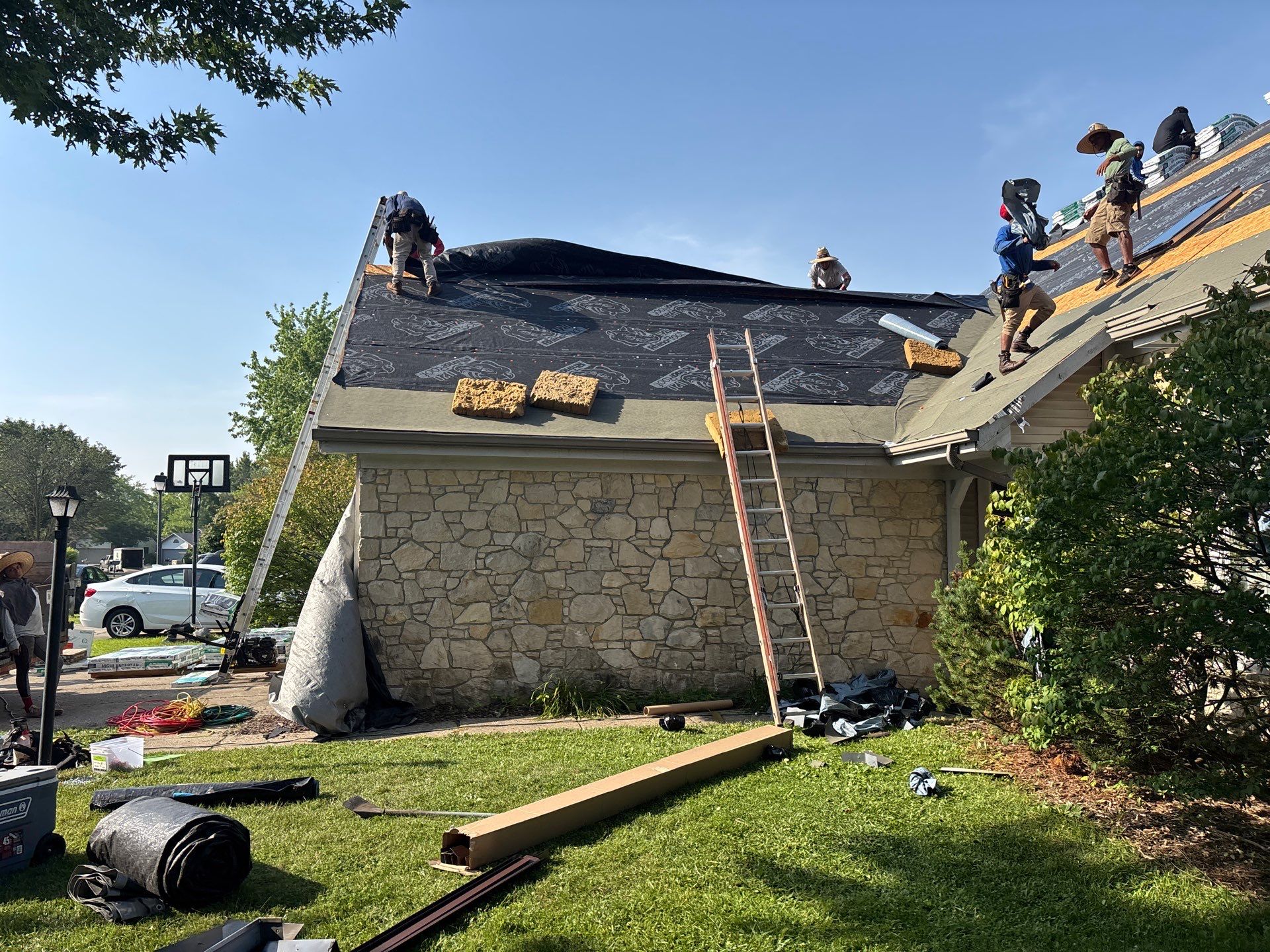
Installation quality is critical to how class 4 shingles perform against hail, so getting them installed by a reputable roofer matters, since proper installation ensures they perform as intended, keeps the warranty valid, and avoids compromising the impact resistance. In summary, class 4 impact-resistant shingles are built to better withstand hail than standard shingles, reducing the cracking, bruising, and granule loss hail causes, potentially earning an insurance discount, and reducing claims, at a higher cost, making them most worthwhile in hail-prone areas. For a Eagle Creek homeowner, weighing your hail risk, the cost, and any insurance discount, with a professional assessment and quality installation, is the way to decide. Eagle Creek Roofing installs quality roofs for Eagle Creek homeowners, including impact-resistant options for hail. Call (317) 653-6821 to discuss whether class 4 shingles fit your home and get an accurate estimate.